![Top [count] Lifestyle Blogs to Follow - OnToplist.com](https://www.ontoplist.com/images/ontoplist61.jpg?id=685dbcfaaa0b4)


Throughout history, women's hairstyles have served as reflections of fashion, culture, and societal norms. The evolution of these hairstyles over the decades has showcased various trends and styles that have shaped different eras. From the sophisticated updos of the 1920s to the daring and voluminous looks of the 1980s, each decade has made a distinct impact on the world of women's hairstyling. In this article, we embark on a journey through time to explore the progression of women's hairstyles and the significance they hold in shaping cultural identity.
The Roaring Twenties (1920s):
The 1920s marked a significant shift in women's hairstyles with the emergence of the "flapper" culture. The bob, a short and cropped haircut, gained popularity as a symbol of newfound freedom and female rebellion during this era.
Additionally, finger waves and Marcel waves became iconic styles, adding glamour and sophistication to the overall aesthetic. The bob, in particular, became an emblematic hairstyle, representing independence and the breaking of traditional gender roles.
:max_bytes(150000):strip_icc()/GettyImages-629055950-c0f7b452e30e4fc18b97668fbdcf4b71.jpg "1920s")
The Sophisticated Thirties (1930s):
The 1930s introduced a transition from the flamboyance of previous decades to a more refined and polished style. Women's hairstyles during this era embraced elegance and femininity. Soft waves, finger waves, and pin curls were popular choices, often accompanied by stylish hats and headpieces.
The influence of Hollywood glamour, embodied by stars like Jean Harlow and Marlene Dietrich, played a significant role in shaping women's hairstyle preferences.
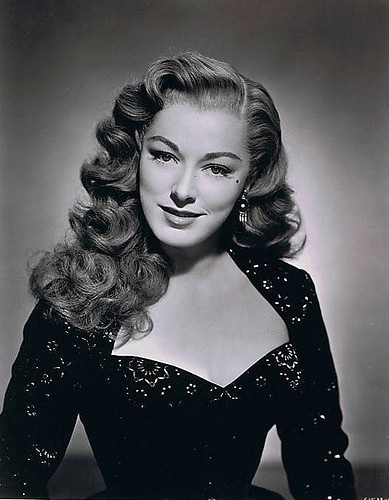
The Glamorous Forties (1940s):
The 1940s witnessed the rise of elegant and sophisticated hairstyles. Victory rolls and pin curls became popular during this time, often complemented by headscarves.
These hairstyles perfectly complemented the fashion trends of the decade and added a touch of glamour to women's overall appearance.
 |
| Actress Theresa Harris with a classic 1940s heart-shaped silhouette that curves into a beautiful halo framing her face. |
The Fabulous Fifties (1950s):
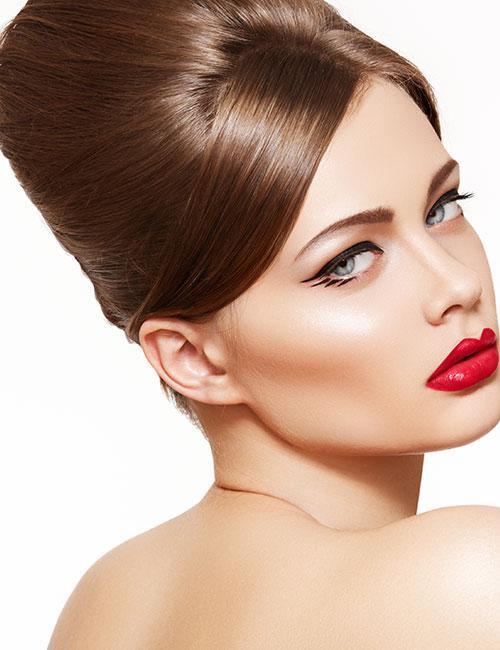
The 1950s embraced femininity and emphasized perfectly styled, voluminous hair.
Women adorned themselves with iconic "poodle" or "beehive" hairstyles, which required intricate teasing and styling techniques. The introduction of home hair perming kits also contributed to the popularity of curly hairstyles.
The Swinging Sixties (1960s):
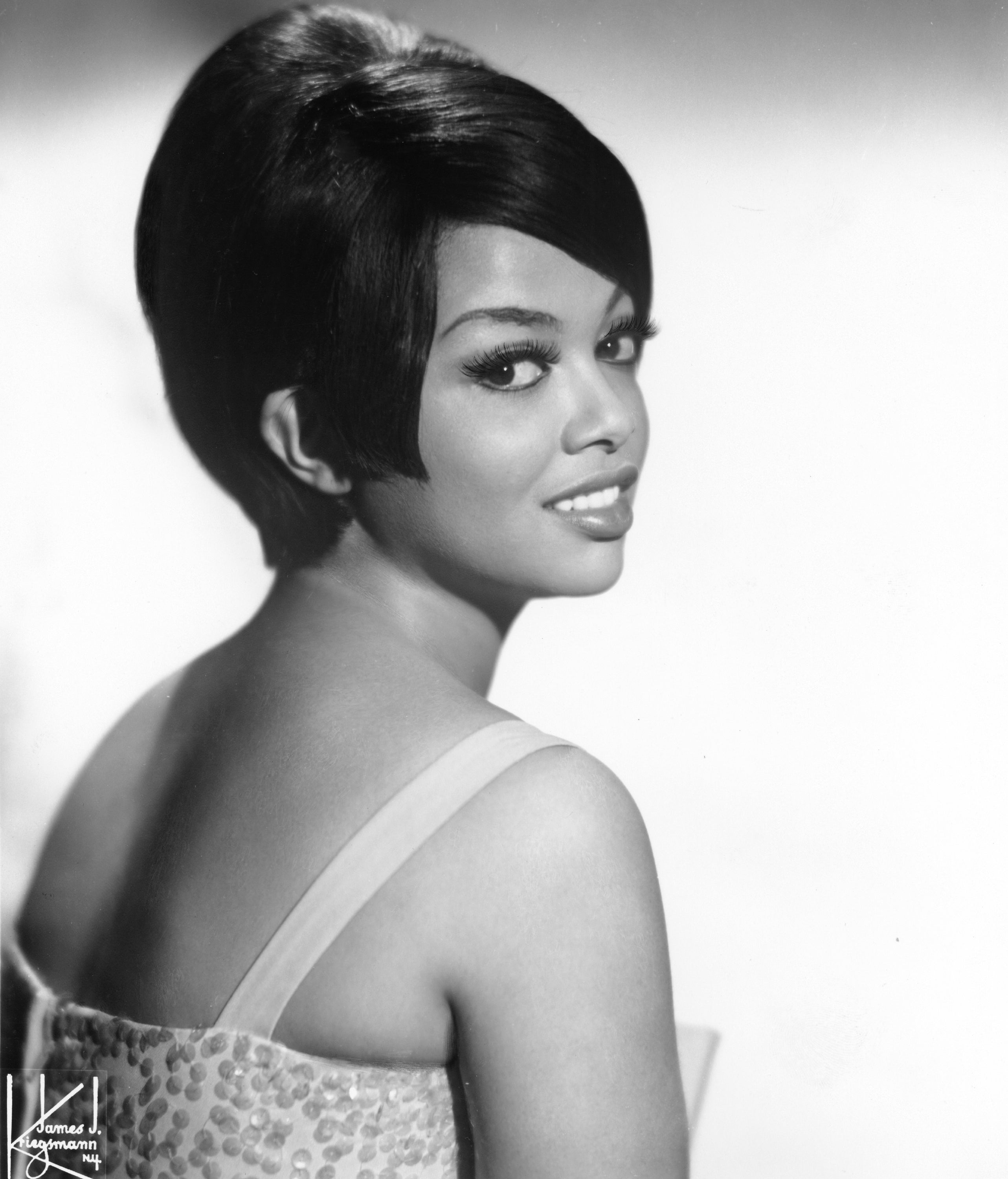
The 1960s brought about a revolutionary change in women's hairstyles. Influenced by the mod culture, the sleek and geometric "bob" hairstyle, popularized by fashion icon Vidal Sassoon, became prominent.
The beehive styles of the previous decade gave way to the iconic pixie cut, symbolizing women's independence and departure from traditional norms.
The Groovy Seventies (1970s):
The 1970s witnessed a diverse range of hairstyles that reflected the cultural shifts of the era. The natural and bohemian look gained popularity, with women sporting long, flowing hair often adorned with headbands or floral accessories.
Afros, shags, and Farrah Fawcett's feathered hairstyle also became immensely popular during this time.

The Bold Eighties (1980s):
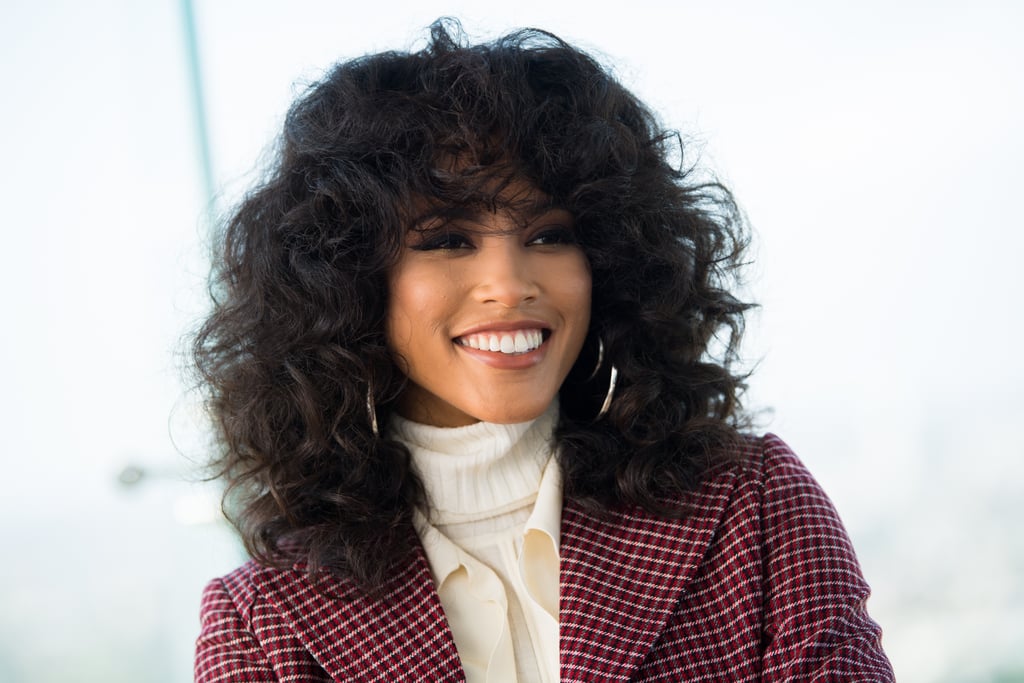
The 1980s was a decade of extravagance and experimentation in hairstyles. Big hair took center stage, with voluminous curls, teased styles, and permed hair dominating the scene.
The introduction of hair accessories such as scrunchies, headbands, and colorful barrettes added flair to the hairstyles, reflecting the bold and vibrant fashion trends of the time.
The Grunge and Minimalism of the Nineties (1990s):
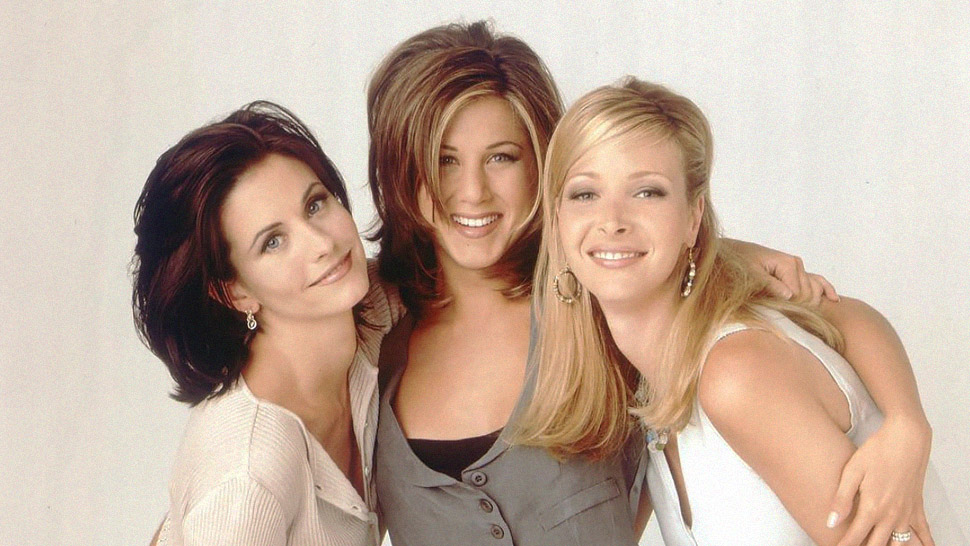
The 1990s marked a departure from the polished looks of preceding decades. A rebellious and alternative subculture emerged, embracing grunge fashion and minimalist aesthetics.
The hairstyles of the '90s mirrored this attitude, with messy and undone looks gaining prominence. The "Rachel" haircut, popularized by Jennifer Aniston's character on the TV show "Friends," became an iconic style of the decade.
The New Millennium: 2000s:
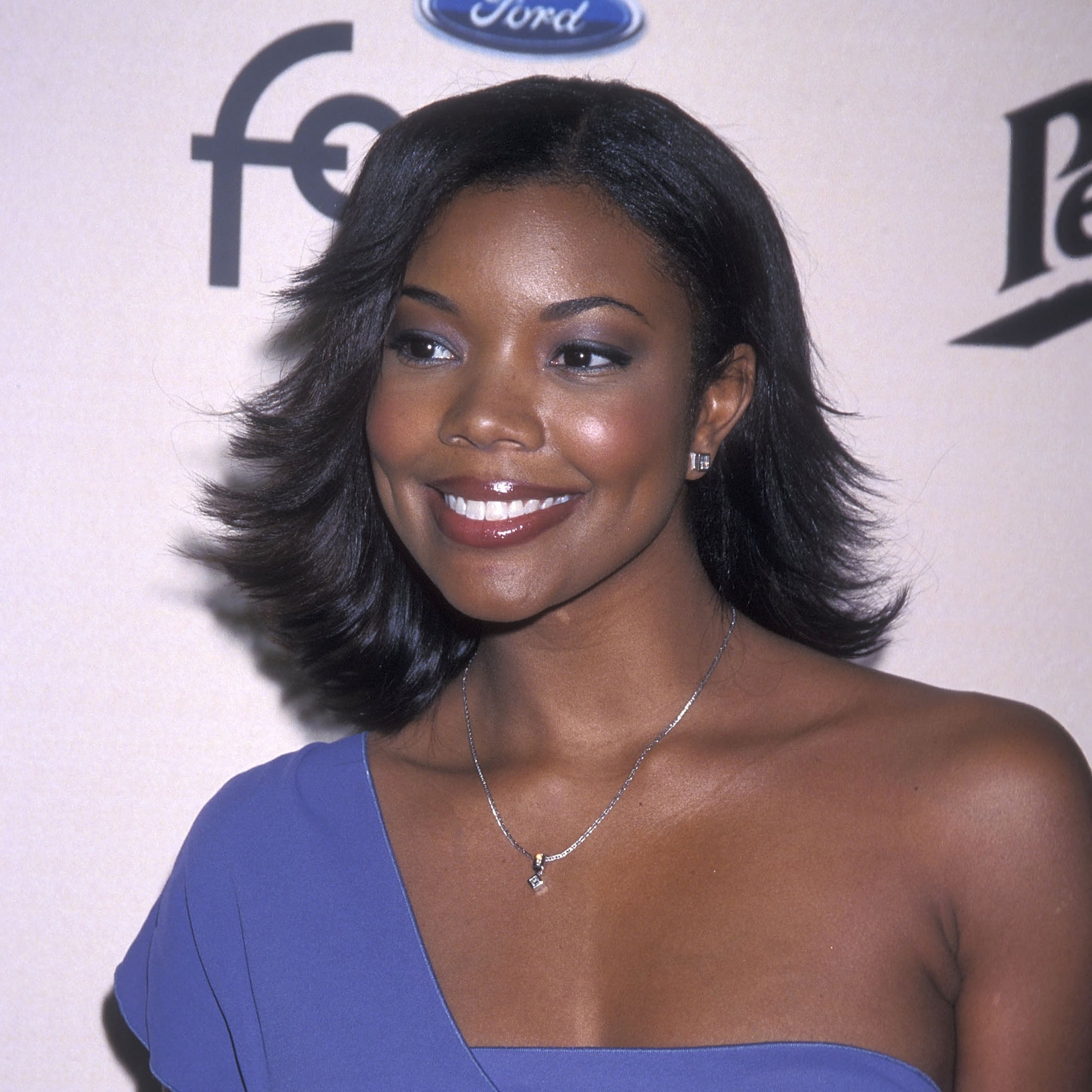
The turn of the millennium brought forth diverse hairstyles influenced by various fashion movements. Early 2000s hairstyles featured sleek and straight hair, often styled with middle parts or face-framing layers.
As the decade progressed, edgier looks gained popularity, such as asymmetrical cuts, choppy layers, and brightly colored streaks. The rise of pop stars like Britney Spears and Christina Aguilera further influenced the hairstyles of the time.
The Modern Era: 2010s:
The 2010s witnessed a resurgence of retro-inspired looks alongside innovative and contemporary styles. The decade celebrated versatility, focusing on individuality and personal expression. Women's hairstyles ranged from the sleek and straight "blunt bob" to the textured and tousled "beach waves." The popularity of braids, top knots, and the emergence of pastel hair colors marked a significant shift towards experimentation and creativity.
:max_bytes(150000):strip_icc():focal(959x464:961x466)/rihanna-best-hair-split-f3c06eb59f7747839b7ff66832cef5d7.jpg "The Modern Era: 2010s:")
Embracing Change: Women's Hairstyles in the 2020s:
The 2020s have been a decade of transformation and adaptability in various aspects of life, including fashion and beauty trends. Women's hairstyles in the 2020s have reflected this ever-changing landscape, combining elements of individuality, versatility, and sustainability. The following hairstyles showcase the evolution of women's hair fashion in this dynamic era.
a. Effortless Natural Textures:
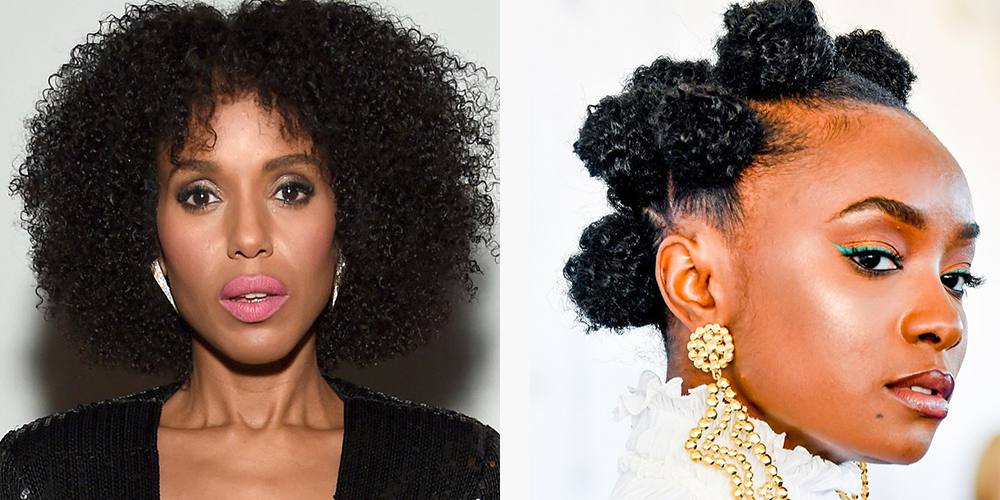
The 2020s witnessed a celebration of natural hair textures and a move towards embracing individuality.
Women have embraced their natural curls, waves, and coils, opting for low-maintenance styles that enhance their hair's intrinsic beauty. This trend has encouraged the use of nourishing products and techniques that promote hair health and vitality.
b. Bold and Vibrant Colors:
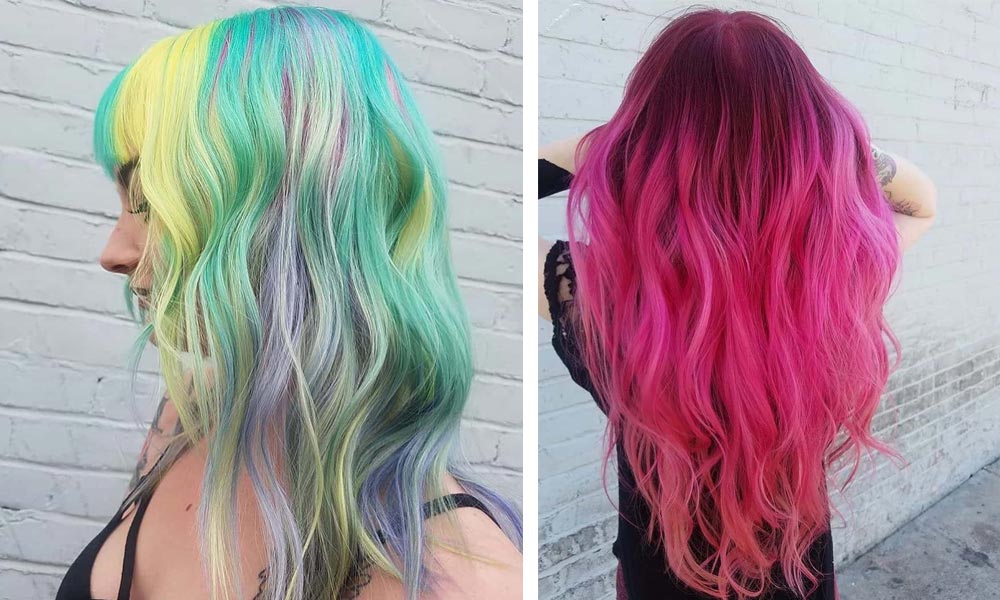
The 2020s have seen a surge in bold and vibrant hair colors. From vivid pinks and blues to pastel hues and unconventional shades, women have expressed their creativity through hair color.
Ombre and balayage techniques have remained popular, providing a seamless blend of colors that adds depth and dimension to the hair.
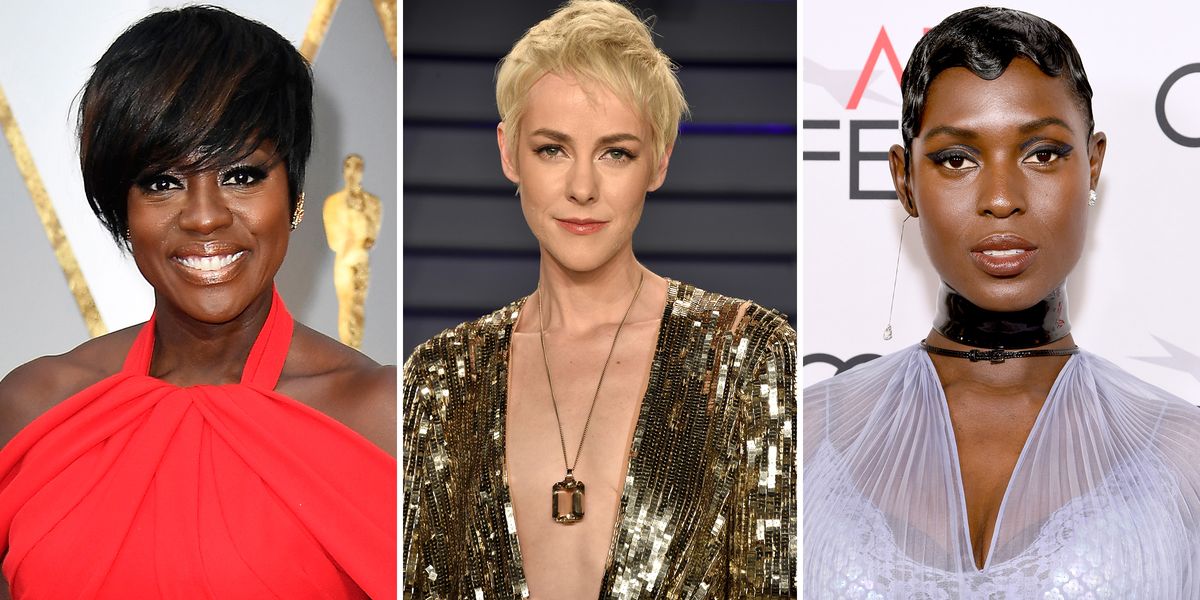
c. Short and Edgy Pixie Cuts:
Short pixie cuts have gained popularity among women in the 2020s. These cuts radiate confidence and empowerment.
Pixie cuts offer versatility, enabling women to experiment with different textures, lengths, and styling options. Some prefer textured and tousled pixies, while others opt for sleek and polished variations.
d. Sustainable and Low-Maintenance Styles:
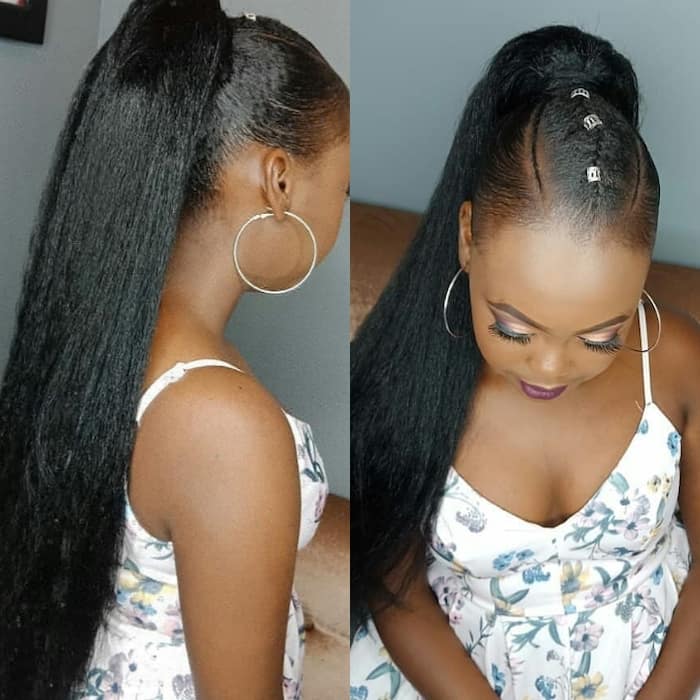
With an increasing emphasis on sustainability and simplicity, low-maintenance hairstyles have become popular in the 2020s. Women have embraced minimalistic cuts and styles that require less heat styling, product usage, and overall maintenance. Effortless bobs, shags, and layered cuts have emerged as go-to choices for those seeking a balance between style and convenience.
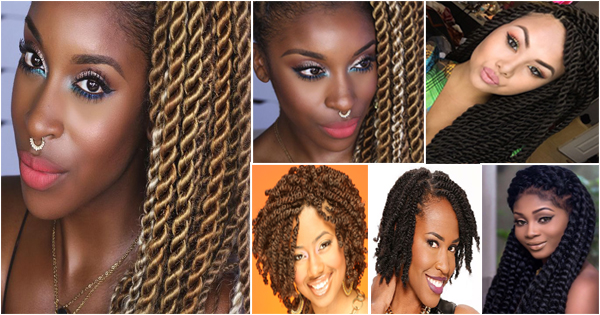
e. Braids and Twists:
Braided hairstyles have remained a staple throughout the 2020s, showcasing their versatility and cultural significance. Women have explored various braiding techniques, such as box braids, cornrows, and twists, to create unique and expressive looks.
These styles not only allow for creativity but also provide protective benefits for the hair.
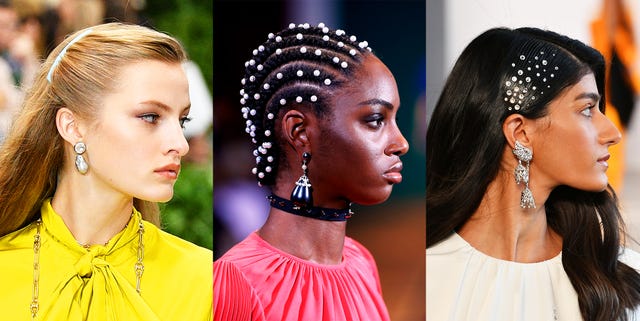
f. Accessorized Updos:
In the spirit of individuality and self-expression, women have adorned their updos with creative and eye-catching accessories. Statement hairpins, embellished headbands, colorful scarves, and ribbons have played vital roles in elevating simple updos into stunning and personalized hairstyles.
Conclusion:
Women's hairstyles have undergone significant transformations over the decades, mirroring the changing times and societal norms. Each era has brought forth distinctive styles that have defined fashion and cultural identity.
From the rebellious bobs of the 1920s to the big and bold looks of the 1980s, women's hairstyles have served as powerful forms of self-expression. Exploring the evolution of these hairstyles allows us to appreciate the artistry, creativity, and influence that women's hair fashion has had throughout history. These hairstyles have not only influenced fashion trends but have also served as symbols of empowerment and self-expression.
The 2020s have ushered in a new era of women's hairstyles, characterized by individuality, versatility, and sustainability. From embracing natural textures to experimenting with bold colors and opting for low-maintenance cuts, women have embraced change and personal expression in their hair fashion choices.
The 2020s have been a decade of breaking traditional beauty norms, encouraging women to embrace their uniqueness and showcase their personalities through their hairstyles. As the decade continues, we eagerly anticipate the evolving trends and styles that will shape the remainder of this dynamic era.


.webp)


.webp)

.webp)



0 Comments